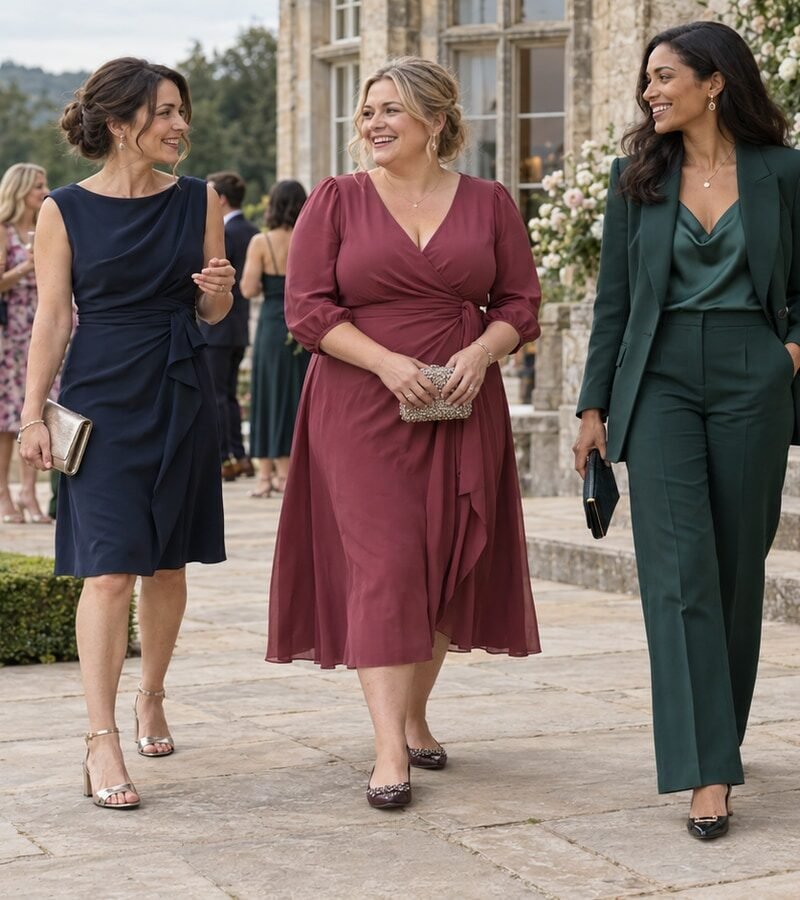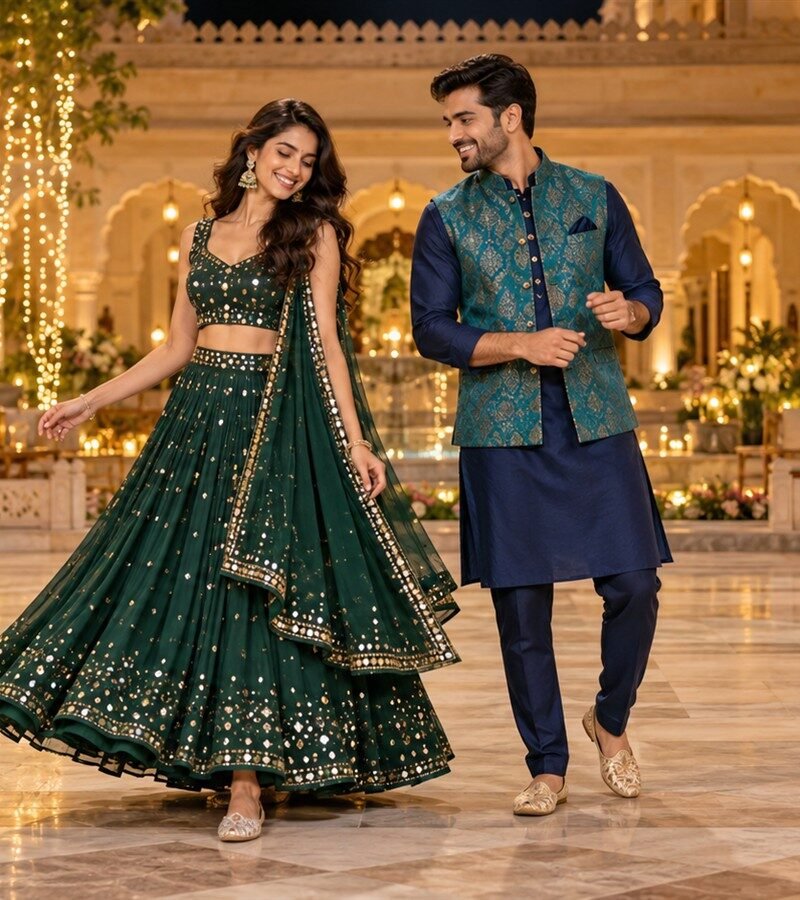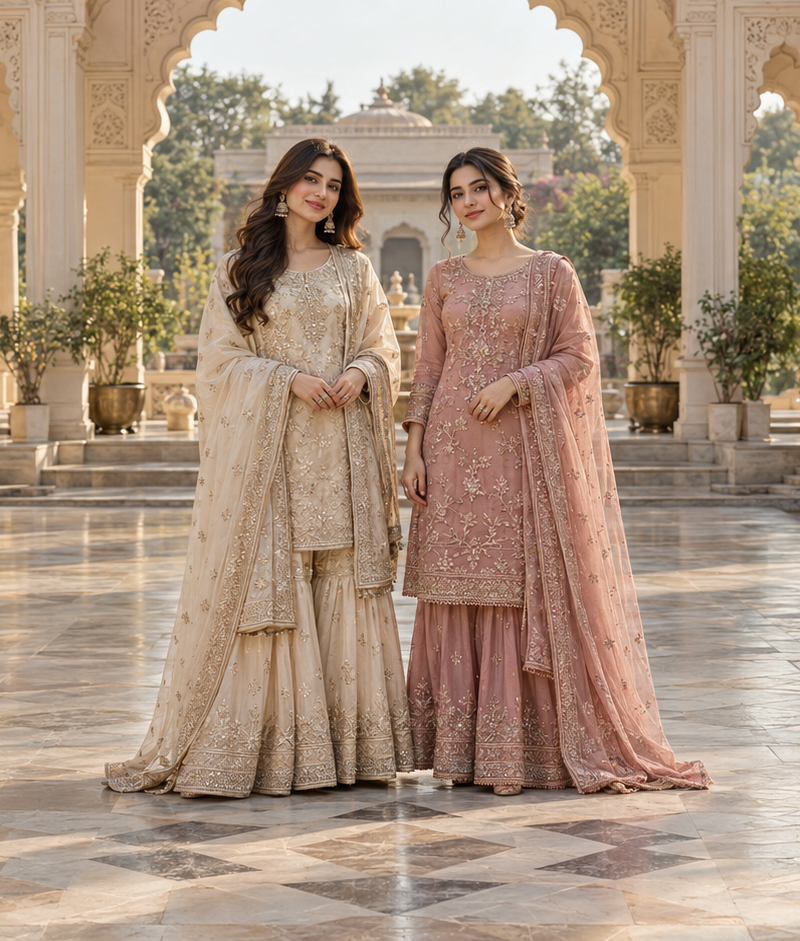


Formal attire is the dressier of the two codes. It usually means a tuxedo or dark suit for men and a gown or an equally elegant evening outfit for women, mostly after dark. Semi-formal attire sits one step below: a suit or a dressy midi or cocktail dress, with more room for color, pattern and daytime wear.
That covers most invitations. The confusion starts with in-between wording such as “black tie optional” or “dressy”, and with the fact that hosts use these terms loosely. This guide explains each dress code, shows what to wear, and flags the mistakes to avoid. If the invitation gives specific instructions, follow those first.
Formal vs Semi-Formal at a Glance
Here is the quick comparison of semi formal vs formal:
| Formal | Semi-formal | |
|---|---|---|
| Typical time | Mostly evening | Day or evening |
| Women | Floor-length gown, or a refined evening alternative | Midi or knee-length dress, dressy jumpsuit, tailored separates |
| Men | Tuxedo or dark suit, bow tie or silk tie | Suit (often dark), dress shirt, tie usually worn |
| Fabrics | Silk, satin, velvet, taffeta | Crepe, chiffon, lace, lighter silks |
| Shoes | Polished dress shoes, elegant heels | Dress shoes, heels, block heels or dressy flats |
| Typical events | Galas, formal weddings, opera, black-tie dinners | Semi-formal weddings, holiday parties, corporate dinners |
Fabric and length are the clearest visual signals. Azazie’s dress guide, for example, puts formal dresses at floor-length and semi-formal at knee to midi, with some maxi options.
The Dress Code Ladder: From White Tie to Semi-Formal
“Formal” is not one level. It is a ladder, and these are the rungs you are most likely to see, from most to least formal:
| Dress code | Men | Women | Usual timing |
|---|---|---|---|
| White tie | Black tailcoat, white shirt with detachable wing collar, white bow tie | Full-length evening dress or ball gown | Evening; rare |
| Morning dress | Morning coat and striped trousers | Dressy daytime dress or suit, often with a hat | Daytime formal; mainly traditional or British events |
| Black tie | Tuxedo (dinner jacket), white shirt, black bow tie | Evening gown; knee-length cocktail dresses are also common | Evening |
| Black tie optional | Tuxedo or a dark suit | Formal gown, dressy cocktail dress or elegant separates | Mostly evening |
| Semi-formal | Suit, tie usually worn | Cocktail or midi dress, dressy jumpsuit, tailored separates | Day or evening |
Two caveats. First, “formal” on its own is not standardized: hosts may mean black tie, black tie optional or simply “dress up”. Second, women’s black tie varies by region. Debrett’s, the British etiquette authority, says knee-length cocktail dresses are the most popular choice for women at black-tie events, though floor-length evening dresses are also worn. Many wedding guides lean toward floor-length gowns, so use the venue and the host as your guide.
Emily Post’s attire guide describes black tie optional as giving guests two formal routes: a tuxedo or dark suit for men, and a gown, a shorter cocktail dress or dressy separates for women.
What Is Formal Attire?
Formal attire is the top tier of everyday dress codes, built around eveningwear and a sense of occasion. In practice, most invitations that say “formal” mean black tie or black tie optional. If the invitation says only “formal” and the event is in the evening, dress toward black tie.
Formal Attire for Women

A floor-length gown is the classic answer, and the formal attire women wear to black-tie weddings has loosened over time. A very elegant midi, a formal jumpsuit or a tailored evening suit is often accepted when the invitation allows it.
Fabric does a lot of the work. Silk, satin, velvet and taffeta read as formal because of how they drape and catch the light. Colors range from black, navy and deep jewel tones to metallics.
Keep accessories refined: a structured clutch, elegant heels, and either statement earrings or a statement necklace, usually not both. Our guide to formal dresses for women goes deeper on silhouettes and fabrics for weddings, galas and special occasions.
Formal Attire for Men
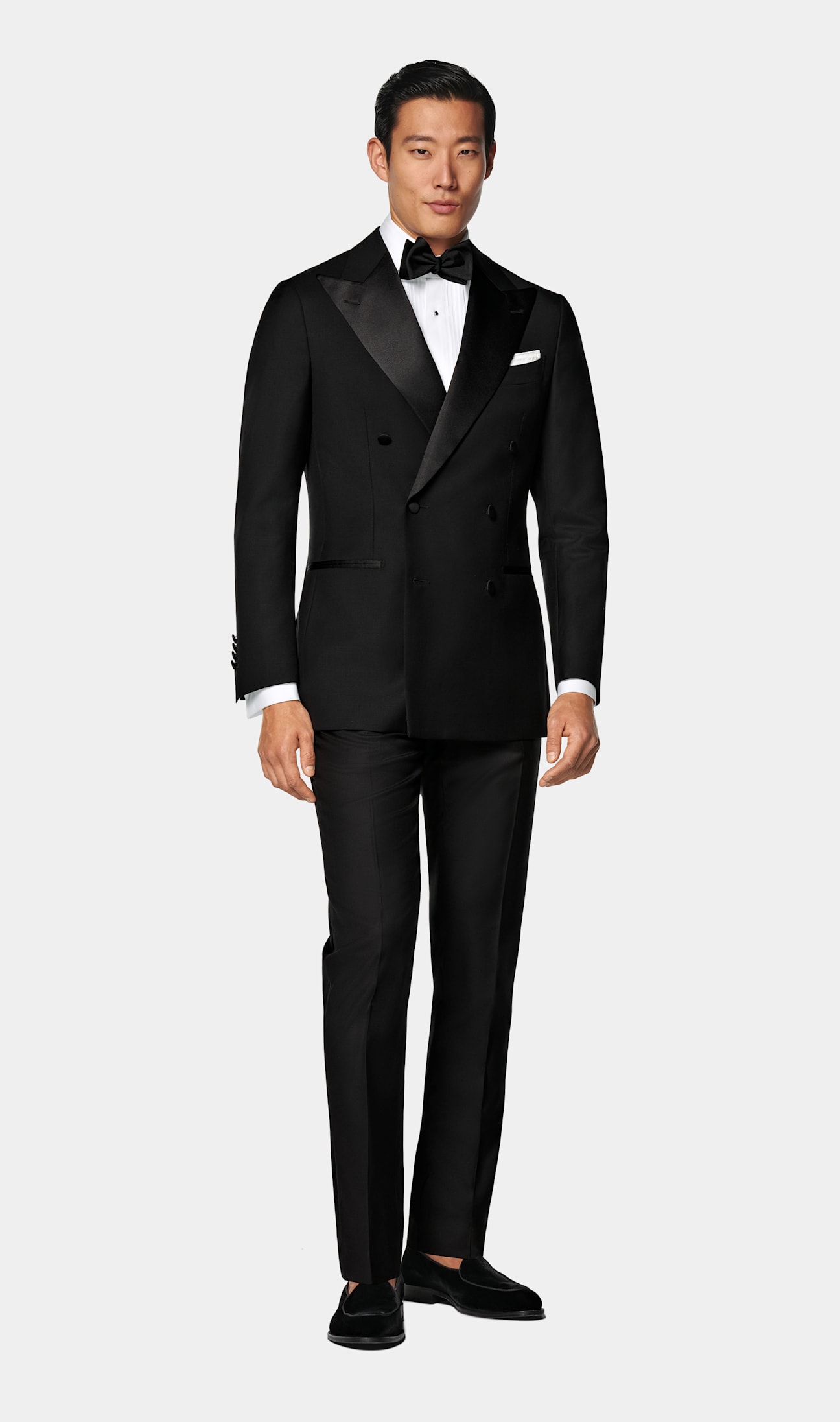
For formal attire, men’s classic options are a tuxedo or a dark suit.
A black-tie tuxedo is black or midnight blue with satin or grosgrain lapels, worn with a white dress shirt, black bow tie and black patent leather or polished Oxford shoes. Debrett’s adds that the bow tie should be self-tied, not clip-on or ready-tied.
A dark suit in navy or charcoal with a conservative tie is the usual “formal, but not black tie” answer. If the host writes “black tie”, wear the tuxedo. If they write “formal” with no more detail, a dark suit is generally acceptable, but check the venue and time first.
What Is Semi-Formal Attire?
Semi-formal is the middle dress code: dressier than business casual and less ceremonial than formal. Emily Post’s guide describes it as more formal than office wear but slightly less formal than a formal event.
It works for both day and evening, which is its main practical advantage. The look changes with the clock: lighter fabrics and softer colors by day, darker and shinier ones after dark.
Semi-Formal Attire for Women
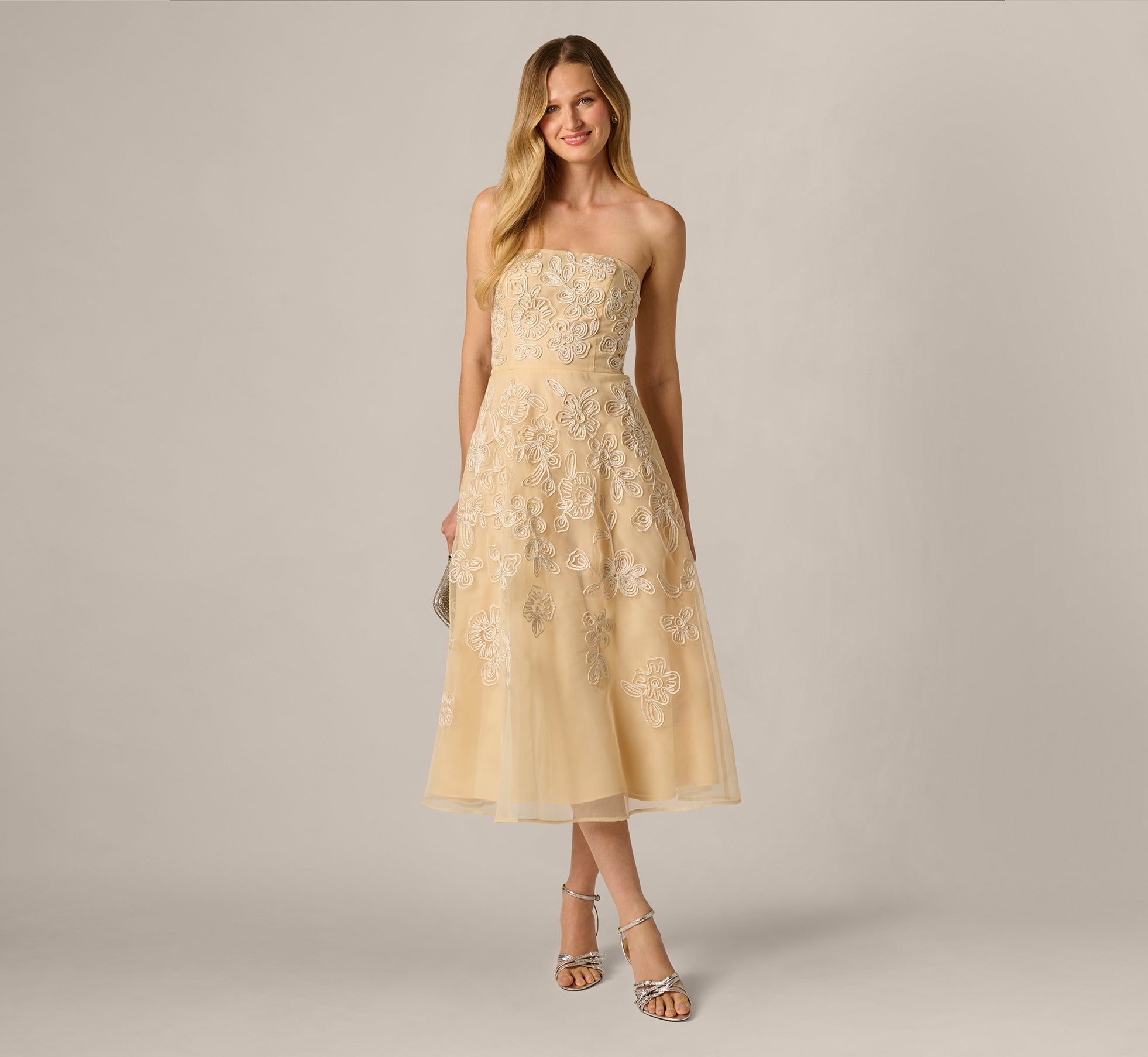
A knee-length or midi dress is the safest choice. Other options are a dressy jumpsuit, a tailored trouser suit, or a silk blouse with a satin skirt.
Midi length is the sweet spot. As Luxe Digital’s women’s guide puts it, floor-length starts to lean toward black tie, so save the gown for formal invitations.
Good fabrics include crepe, satin, lace, chiffon and silk. Wear heels, block heels or dressy flats, and keep jewelry to one statement piece.
Semi-Formal Attire for Men
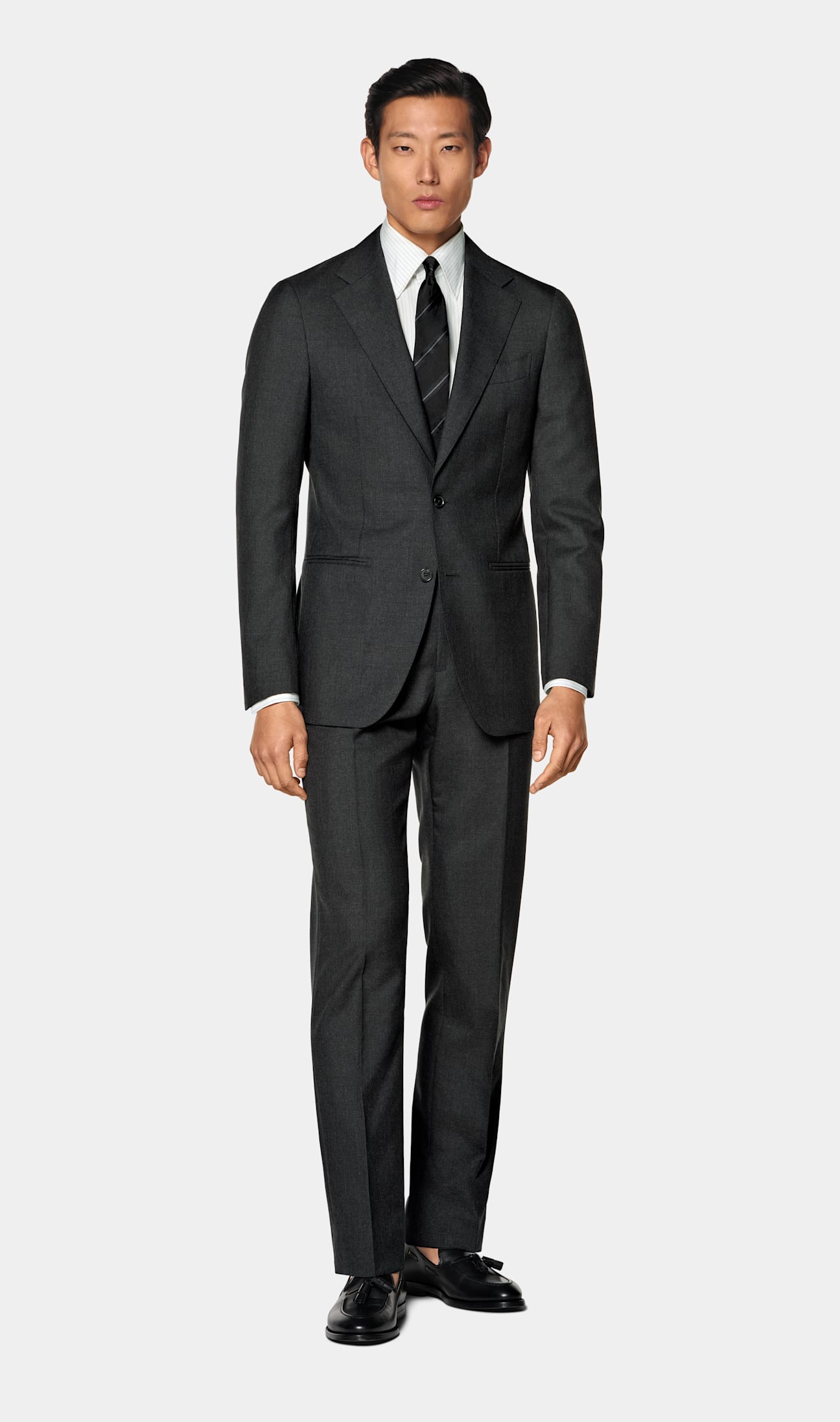
Semi formal attire for men centers on a suit, usually in navy, charcoal or another dark tone, with a dress shirt and polished leather shoes. A tie is the safer default, especially in the evening and at weddings.
Lighter colors work in warm weather, and a blazer with tailored trousers can pass at a more relaxed semi-formal event. Fit and clean shoes matter more than the exact color.
Semi-Formal vs Cocktail Attire
Cocktail attire is best understood as a more festive, evening-leaning version of semi-formal, not a separate code. Several style guides describe cocktail dress as falling inside the semi-formal category. A cocktail dress works at a semi-formal event, but not every semi-formal outfit reads as cocktail wear.
Sources do not rank the two the same way, which is why the safest reading is that they overlap. Debrett’s treats cocktail as a looser code that frees men from the dinner jacket and bow tie and lets women choose any chic dress or trouser look.
The practical difference is mood and time. Semi-formal covers a 2 p.m. ceremony as comfortably as an 8 p.m. dinner. Cocktail leans evening, with more sparkle, a statement earring or a dressier heel. Some guides use 4 p.m. as an informal dividing line, but treat that as a rule of thumb, not a standard.
If the invitation says cocktail for a wedding, our guide on what to wear to a cocktail wedding covers outfits for that exact scenario.
What Is Semi-Formal Wedding Attire?
Semi-formal wedding attire is the guest dress code for weddings that are dressy but not black tie. These are typically afternoon or evening ceremonies with a hotel or restaurant reception.
Guests usually wear:
- Women: a midi or knee-length dress, a dressy jumpsuit, or elegant separates.
- Men: a suit and, in most cases, a tie. Check the invitation or the couple’s wedding website before skipping the tie, since a few hosts say “no tie required” and many do not.
A few wedding-specific rules apply:
- Skip white, ivory and cream. Those shades are traditionally reserved for the bride.
- Match the venue. A garden ceremony calls for lighter fabrics and block heels. A ballroom calls for darker colors.
- Mind the fabric. Casual cotton and jersey look too relaxed. Structured linen or a linen blend in a tailored cut can work for a daytime summer wedding, but wrinkle-prone, loose linen looks casual.
Planning an autumn event? Our edit of fall fashion trends for 2026 covers the fabrics and colors showing up this season.
Cultural and Religious Dress
Dress codes are not universal, and many weddings follow cultural or religious customs. Ask the host about traditional attire, expectations for coverage (shoulders, knees, arms) and whether head coverings are required or welcome.
Some ceremonies have rules about color. For instance, white and black are avoided in some traditions. Asking early avoids an awkward moment on the day.
Formal Attire for a Wedding
Formal attire for a wedding means a black tie, black tie optional or “formal” invitation. These weddings are usually in the evening at a ballroom, estate or historic venue.
Women commonly wear floor-length gowns, though a very elegant midi or a formal jumpsuit is often accepted. Men wear a tuxedo or a dark suit. Choose a deeper color and a richer fabric than you would for a semi-formal wedding.
From Semi-Formal to Formal: The Middle Ground
Semi-formal to formal wedding attire is the gray area where most guests go wrong. It usually appears as “black tie optional”, “formal”, “dressy” or “festive attire”.
The easiest approach is to take a semi-formal outfit and raise its formality in four places:
- Length: go longer, such as a dressy midi or a floor-length dress.
- Fabric: choose satin, silk or velvet over cotton or jersey.
- Color: move darker.
- Accessories: add structured jewelry and a clutch.
For men, a dark suit with a tie and polished black shoes works for most black tie optional invitations.
Ask the Host
If the invitation is still unclear, check the venue, the time and the couple’s wedding website, or message the host. A short, specific question gets a better answer than “what should I wear?” For example:
“Would a dark suit and tie or a dressy midi be appropriate, or are you expecting tuxedos and gowns?”
Where to Shop Formal and Semi-Formal Clothes
No one brand is “the best” for every dress code, so this list is organized by who each brand actually serves. Every collection below was checked on the brand’s own US site at the time of writing. Stock, sizes and prices change, so check the current range before you buy.
Brands for Both Men and Women
These four sell men’s and women’s pieces for formal and semi-formal events.
| Brand | Formal | Semi-formal |
|---|---|---|
| Ralph Lauren | Men: suits and tuxedos. Women: evening dresses | Women: cocktail dresses. Men: suits |
| Hugo Boss | Men: special occasions and eveningwear | Men: suits. Women: special occasions, dresses and suits |
| Banana Republic | Men: suits, which include a tuxedo jacket | Women: dresses and jumpsuits and suits. Men: suits |
| Reiss | Not confirmed | Women: dresses and suits and tailoring. Men: suits and blazers |
How to read the table:
- Ralph Lauren is the only one of the four with clear formal lines for both genders: tuxedos for men and a dedicated evening dress filter for women. It also has a cocktail filter for semi-formal.
- Hugo Boss is strongest for men’s evening and occasion tailoring, and its women’s special-occasions page is mostly dresses, jumpsuits and suits, so it fits semi-formal better than black tie.
- Banana Republic is the most accessible for semi-formal and has some formal menswear.
- Reiss is a tailoring-led brand that is best for semi-formal. I did not find tuxedos or gowns in its main collections.
Best for Women
- Adrianna Papell is a dress specialist with separate collections for each level. For formal, see formal and black tie and evening dresses. For semi-formal, see semi-formal dresses, semi-formal wedding guest dresses and cocktail dresses. Its wedding-guest pages also split by dress code, which helps if you are decoding an invitation.
Best for Men
- Suitsupply is a tailoring-focused menswear brand with a dedicated tuxedo collection for formal events and a broad range of suits for semi-formal ones. It also sells matching shirts, shoes and accessories, so you can build the full outfit in one place.
Treat brand names as a starting point. Fabric, length and fit still matter more than the label.
Why Black Tie Is Sometimes Called Semi-Formal
If you read older etiquette sources, you may notice that black tie is classed as semi-formal. Traditional dress codes had three tiers: white tie as full formal, black tie and its daytime equivalent as semi-formal, and everyday dress as informal. Wikipedia’s entry on semi-formal wear notes that tradition and gives 6 p.m. as the day-evening cutoff. Debrett’s also points out that white tie was once standard evening dress and black tie was considered informal.
Modern invitations rarely follow that scheme. Most hosts now treat black tie as the formal code and “semi-formal” as the dressy-but-flexible code beneath it. If one source seems to contradict another, that is usually the reason. Go by the host’s wording.
Common Mistakes: What to Avoid in Semi-Formal
What to avoid in semi-formal comes down to going too casual or too formal:
- Jeans, T-shirts, shorts, sneakers and flip-flops read as casual.
- Floor-length ballgowns or a tuxedo can overdress you by a full level.
- Poor fit. Clothes that are too tight or baggy look sloppy at any formality.
- Scuffed shoes. Clean, polished shoes finish the look.
- Too many statement pieces. Pick one focal accessory.
- White, ivory or cream at a wedding.
- Casual fabrics. Luxe Digital lists jersey, cotton poplin, linen and ribbed knits as ones to avoid for women. The caution is mainly about relaxed versions: structured linen in a tailored cut can work for a daytime summer event, and loose, wrinkled linen does not.
Still deciding what to wear? Our guide to the best American women’s clothing brands in 2026 can help you shop for pieces that work across semi-formal and formal occasions.
Quick Rules for Choosing Formal Clothes
When in doubt, run through this short checklist:
- Read the invitation. The wording and the host’s wedding site come first.
- Check the time and venue. Evening and ballroom lean formal. Daytime and garden lean semi-formal.
- Pick the fabric before the color. It signals formality more clearly than a color.
- Dress one notch up when unsure. Debrett’s makes the same point: looking over-dressed is generally the safer error than looking under-dressed.
- Stay inside your comfort zone. An outfit you can sit, walk and dance in looks better.
- Try it on properly. Put the whole outfit on, including shoes, and check it seated and in bright daylight. Fit, sheerness and color often look different once you sit down or step outside.
Frequently Asked Questions
Is semi-formal the same as formal attire?
No. Semi-formal is one step less dressy than formal. Formal usually means a tuxedo or dark suit for men and a gown for women, mostly in the evening. Semi-formal allows suits, midi dresses and more color, day or night.
What is the difference between semi-formal and formal attire?
The difference is in length, fabric, shoes and time of day. Formal outfits are longer (often floor-length for women), made from luxe fabrics such as silk, satin and velvet, and usually worn in the evening. Semi-formal outfits are shorter (knee to midi), more flexible in color and suitable for daytime.
Can I wear jeans as semi-formal attire?
Generally no. Jeans are casual, and most semi-formal guidance treats them as inappropriate. Some sources accept very dark, well-fitted, unfrayed denim with a blazer or silk top and polished shoes at relaxed events, but not at weddings or where the invitation says cocktail or formal.
What is the 3-3-3 rule for clothes?
The 3-3-3 rule is a minimalist wardrobe formula, not a dress code. Sources define it differently, but the most common version is three tops, three bottoms and three pairs of shoes (or three layers), which can be mixed into up to 27 outfits. It helps with capsule-wardrobe planning but does not tell you what counts as formal or semi-formal.
What to avoid in semi-formal?
Avoid jeans, T-shirts, sneakers and flip-flops, which are too casual. Also avoid tuxedos and ballgowns, which are too formal, and white or ivory at weddings. Skip ill-fitting clothes, scuffed shoes and too many statement accessories.
Conclusion
Formal is longer, richer and more evening-focused. Semi-formal is polished but flexible. When the wording is unclear, take cues from the time, the venue and the host, dress one notch up, and prioritize fit and fabric.