
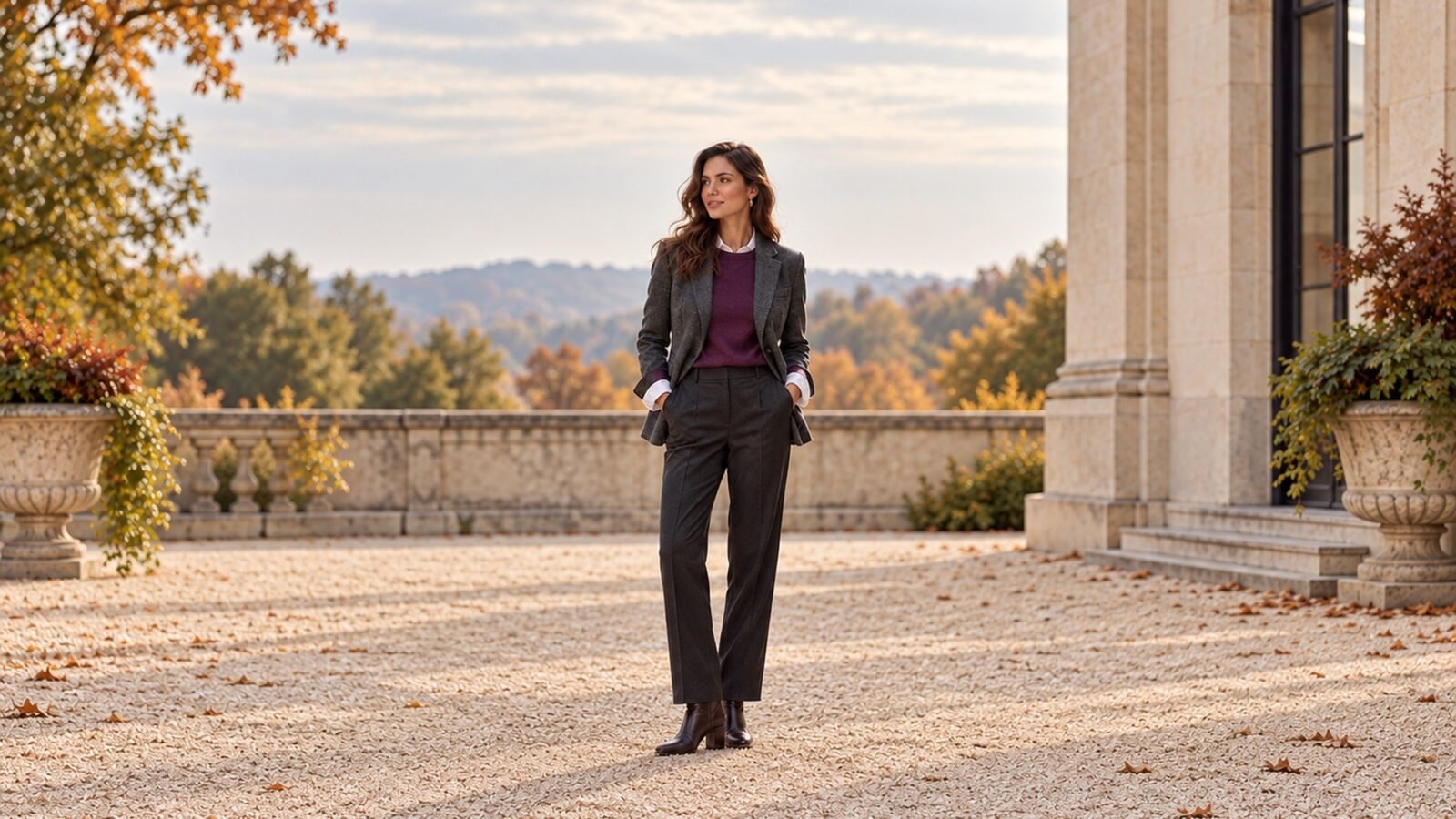

Fall fashion in 2026 brings familiar clothes into sharper focus: shaped jackets, expressive colour, textured fabrics and layers that change how an outfit looks. The most useful way to approach these fashion trends is to choose a silhouette or styling idea that works with what you already own.
The fall 2026 fashion trends offer several possibilities, from polished tailoring to decorative eveningwear. Across recent coverage, fashion editors have identified a balance between everyday wardrobe foundations and more adventurous proportions. These are directions documented in collections, rather than rules about what everyone should wear. Vogue’s seasonal overview provides one account of that range.
As with global fashion more broadly, seasonal dressing leaves room for different climates, routines and personal preferences. Start with your preferred level of coverage and actual weather. A lightweight layered outfit can express the season just as effectively as a substantial coat.
Reshaped Tailoring Makes Everyday Dressing More Expressive
Tailoring is receiving attention through its cut and styling. Jackets, coordinating skirts and structured separates provide a polished starting point, while less formal combinations make them easier to wear.
Seasonal reporting highlights Dior’s shaped jackets with relaxed denim and Chanel’s boxier suits with long shirts. The relationship between the tailored piece and its accompanying layers matters as much as the suit itself. Vogue’s October trend report documents these examples.
Try a fitted blazer with straight-leg jeans, or soften a skirt suit with a simple jersey top. If you prefer looser clothing, choose a jacket with comfortable shoulder room and let the shirt or neckline provide definition.
Check the fit while sitting and reaching forward. A jacket that works only when standing still will be difficult to integrate into a working wardrobe. Shoes can stay straightforward: loafers, boots or flats, depending on the hemline and occasion.
Layering Becomes Part of the Outfit
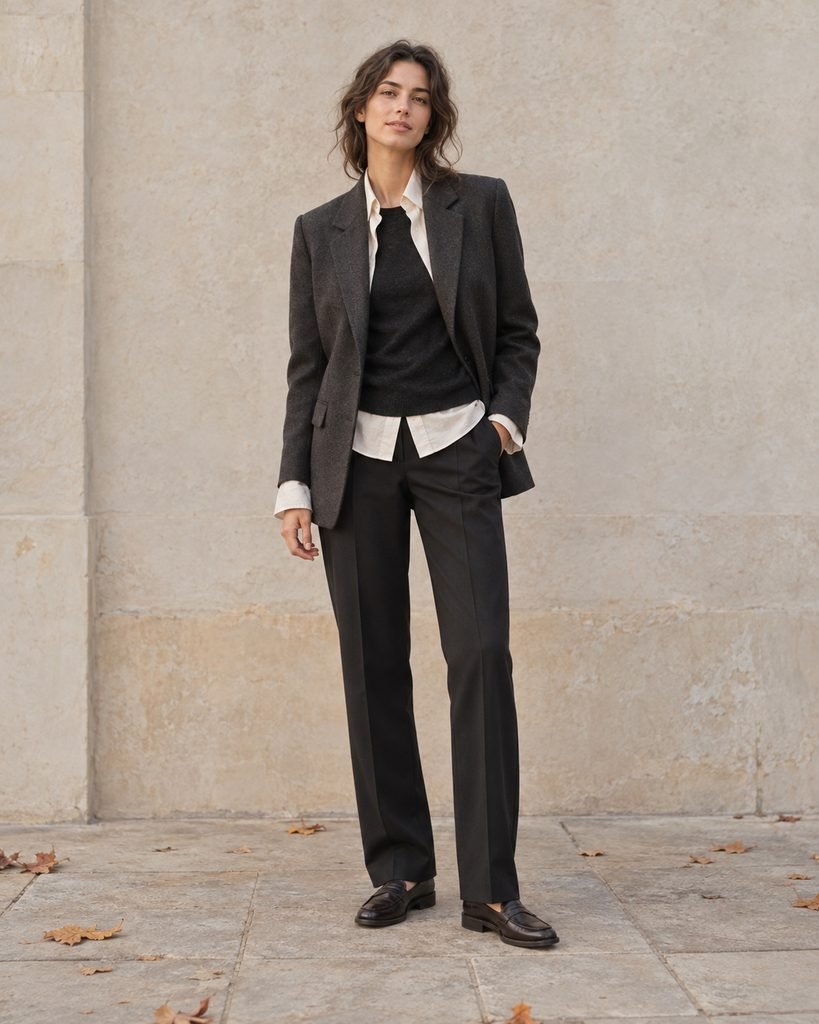
Layering has a clear collection-level foundation this season. Prada’s official Fall/Winter 2026 notes describe clothing that transforms through layering, combining tailoring, sportswear and embroidered satin dresses. Prada’s collection presentation establishes the idea directly.
To interpret it, start with a comfortable base and add pieces that contribute something visible. A shirt cuff, a contrasting neckline or a longer hem can create interest without requiring several heavy garments.
Consider a fine knit beneath an open shirt, finished with a jacket. Alternatively, place a sleeveless dress over a close-fitting long-sleeved top.
Keep the layers useful individually. Before leaving home, remove the outermost piece and check whether the remaining outfit still feels complete. In mild conditions, use two thin layers; in colder weather, leave sufficient room beneath the coat so the sleeves and shoulders move freely.
Waistlines and Volume Offer Different Silhouettes
There is no single compulsory shape for the season. Runway reporting includes dropped waists at Chanel and more elevated waist placement in Givenchy jackets. These contrasting approaches demonstrate how changing one horizontal line alters the overall silhouette. Vogue’s proportion analysis documents both.
A dropped waist places the garment’s defining seam below the natural waist. A peplum introduces a flared section around the waist or hips; ELLE’s seasonal report identifies its renewed runway presence. ELLE’s Fall/Winter 2026 report covers that development.
Experiment with one change at a time. Pair a longer top with a narrow skirt, or wear a shaped jacket over uncomplicated trousers.
Use existing pieces to test the effect before buying. Untucking a sweater or adjusting where a belt sits can help you decide which proportions feel comfortable.
Fitted Dresses and Sheer Details Provide Another Option
Alongside volume, closer silhouettes remain part of the season’s conversation. Editorial coverage identifies body-conscious dresses at Alaïa and sheer or lingerie-influenced pieces at Khaite and Valentino. Vogue’s fall trend overview places these within its collection analysis.
The wearable interpretation depends on your preferred coverage. An opaque jersey dress can explore a fitted silhouette without incorporating transparency. A sheer blouse can sit over a camisole, while lace at a cuff or neckline introduces a smaller decorative detail.
Consider how the fabric behaves in movement and different lighting. Check whether the garment needs a lining, slip or additional layer, and include those pieces when assessing its usefulness.
For an easy outfit, combine a fitted dress with an open jacket and comfortable boots. Adjust the jacket length until the proportions feel balanced to you.
Colour and Texture Bring Depth to Simple Outfits

PORTER’s Fall/Winter 2026 report identifies purple, bottle green, ochre and red as notable seasonal colours, alongside materials including velvet, leather and brocade. These are editorial observations across collections, rather than a universal colour forecast. PORTER’s seasonal analysis explains the palette and textures.
Choose a colour you enjoy wearing near your face, then decide how much of it the outfit needs. A purple knit can become the focal point above charcoal trousers. A red scarf can introduce contrast to a familiar coat.
Texture offers another route if you prefer restrained colour. Try a smooth skirt with a textured sweater, or a velvet jacket over a plain top.
Inspect the material label rather than relying on appearance. A fabric’s surface, fibre composition, lining and weight all affect whether it suits your weather and care routine.
Decorative Eveningwear Can Work in Smaller Doses
Evening dressing includes references to 1920s glamour, with fringe, velvet and decorative surfaces appearing in seasonal reporting. Vogue’s fall fashion forecast discusses the season’s broader range of expressive dressing.
ELLE also documents trailing details across several collections. Treat these as runway ideas to adapt selectively. ELLE’s report shows how designers explored trains beyond conventional gowns.
For dinner, a textured jacket and plain trousers may offer enough decoration. For an event, choose one focal element, such as an embellished neckline or fluid skirt.
Consider the setting before choosing trailing fabric or delicate trims. Check whether you can walk, sit and manage stairs comfortably. An outfit should remain enjoyable throughout the occasion.
Four Outfit Formulas to Try
These combinations translate the season’s ideas into practical dressing. They are styling suggestions, rather than additional trend claims.
| Occasion | Outfit combination | How to adapt it |
| Work | Shaped blazer, simple top and straight trousers | Try a skirt if it better suits your routine. |
| Everyday | Fine knit, open shirt and jeans | Remove the knit in warmer conditions. |
| Dinner | Lace-trimmed top, tailored trousers and jacket | Choose an opaque top for more coverage. |
| Event | Fluid dress and textured outer layer | Keep accessories simple around decorative fabric |
Build each outfit around one piece you already reach for regularly. This gives an unfamiliar silhouette or colour a comfortable foundation.
If the combination feels busy, remove one competing element. You might keep the contrasting texture but simplify the accessories, or retain the dramatic jacket and choose a plain base underneath.
How to Shop Fall Collections Thoughtfully
Begin with an actual wardrobe gap. Identify whether you need an outer layer, a comfortable work outfit or something suitable for an upcoming occasion.
Before buying, consider:
- Outfit compatibility: Can you combine the item with three pieces you own?
- Fit: Does it remain comfortable when sitting and moving?
- Fabric and construction: Are the composition, lining and finish appropriate for its intended use?
- Care: Can you realistically manage the cleaning instructions?
- Practical details: Do the fastenings, pockets and hem length work for you?
A familiar garment styled differently may solve the problem. Try a shirt beneath a dress, a jacket with another skirt or a colourful scarf with existing outerwear before adding something new.
Understand the Season Before Following the Calendar
A collection’s season and its presentation date describe different things. Fall/Winter 2026 clothing was shown months before the season it was designed for.
Official organizer records illustrate the distinction: one Fall/Winter 2026/27 womenswear calendar ran from 24 February to 2 March 2026, while that organizer’s 22–28 September 2026 edition presented Spring/Summer 2027. The official calendar archive confirms both.
Retail availability follows a separate timetable. Check the individual brand’s launch information and delivery details rather than assuming that a runway appearance means a garment is available to order.
Frequently Asked Questions
What are the key themes for fall 2026 fashion?
The key themes include expressive tailoring, adaptable layering and a choice between sculpted volume and closer silhouettes. Rich colour and decorative texture add interest. These themes reflect documented collections and editorial interpretation; they do not imply that all shoppers or brands will adopt the same direction.
What are the 2026 fall fashion trends?
Documented directions include shaped jackets, skirt suits, dropped waists, peplums, fitted dresses, sheer details and textured fabrics. Purple, red, bottle green and ochre also feature in seasonal reporting. Choose a few elements that suit your wardrobe rather than attempting to combine every trend.
How to shop the latest fall fashion collections?
Shop with a specific wardrobe need and check current brand information for availability. Compare fit, fabric, care requirements and compatibility with existing clothes. Distinguish collection inspiration from an actual product listing, and confirm delivery dates before ordering for a particular occasion.
When does fall fashion come out?
Fall fashion has no universal release date. Runway presentations precede retail availability, and brands introduce collections on different schedules. By October 2026, seasonal reporting described autumn/winter pieces arriving in stores and online. Check individual launches for exact timing. Seasonal availability context.
When is fall fashion week 2026?
There is no single worldwide date. Fall/Winter 2026 womenswear presentations included 24 February–2 March and 2–10 March 2026, according to official organizer records and the official collection archive. Fashion weeks held in autumn may present the following spring’s collections, so check the collection season.

1 comment